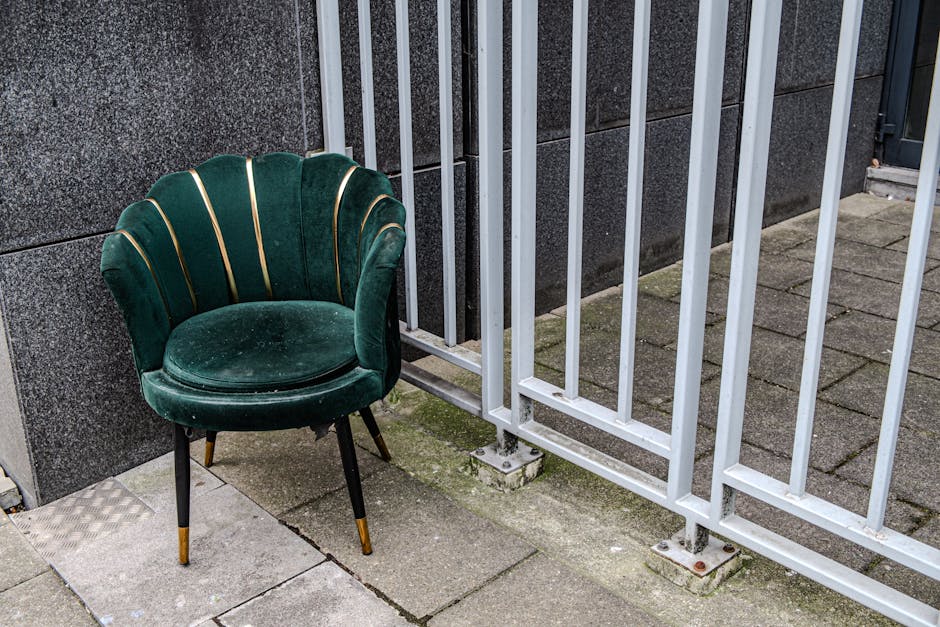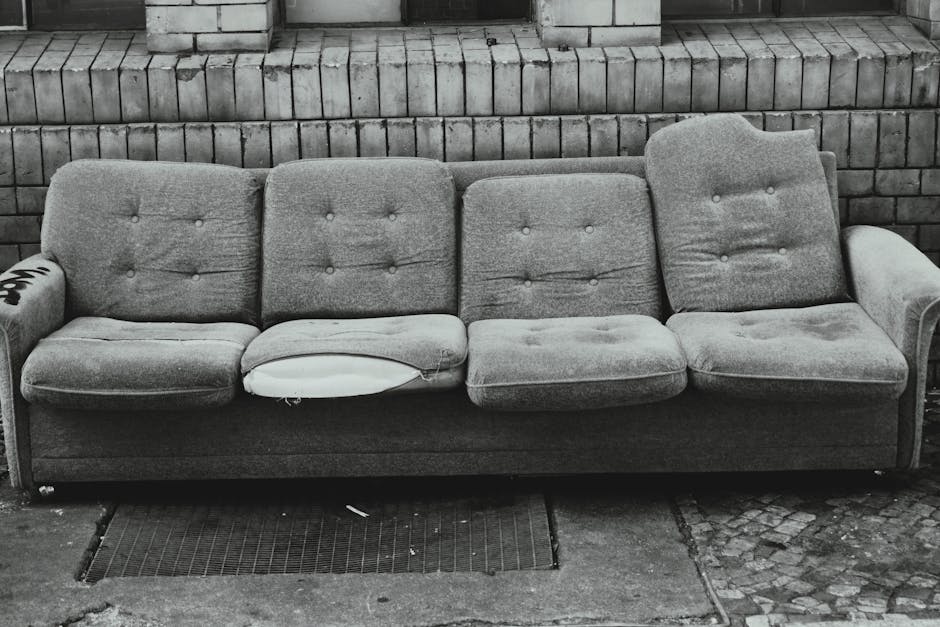
Upholstery & Hazardous Waste: Legal Duties in Marylebone
Sorting out old upholstery sounds simple until you realise a sofa, armchair, or fabric headboard can cross into hazardous waste territory. In Marylebone, that matters more than people think. If a piece has been treated with chemicals, contaminated by mould, soaked with body fluids, or damaged in a way that creates a disposal risk, the legal duties change fast. Upholstery & Hazardous Waste: Legal Duties in Marylebone is not just a paperwork issue; it is about protecting residents, staff, neighbours, and the people who collect and process waste.
Most households and landlords do not wake up expecting to deal with waste classifications, duty of care records, or lawful disposal routes. Fair enough. But once furniture leaves your flat, office, or managed property, you are still responsible for what happens next. This guide breaks the topic down in plain English, with local context, practical steps, and a few things people commonly get wrong. You will also find useful internal resources for related cleaning, property, and waste-adjacent decisions along the way.
For broader background on local property and lifestyle context, you may also find a local guide to living well in Marylebone helpful, especially if you are managing a busy home, rental, or office in the area.
Why Upholstery & Hazardous Waste: Legal Duties in Marylebone Matters
Marylebone is full of period flats, compact mews properties, offices, managed blocks, and short-let apartments. That mix creates a messy little reality: one tenant might be replacing a chair after a leak, another might be clearing mould-affected fabric from a basement room, and a third might just want to get rid of a tired sofa that has seen better decades. The legal duties are different in each case.
The simplest way to think about it is this: not every unwanted upholstered item is hazardous, but some are. Once a piece is contaminated, chemically treated, or otherwise risky, you cannot just leave it on the street or pass it to a waste contractor without checking the classification. That is where the duty of care comes in. In practical terms, duty of care means you must store, transfer, and dispose of waste responsibly and keep enough information to show you did the right thing.
Why does Marylebone deserve its own discussion? Because access, density, and building types make disposal more complicated than in a suburban street. Narrow entrances, shared hallways, concierge rules, and Westminster-area collection expectations can all affect how furniture is removed. A rushed disposal job can annoy neighbours, breach building rules, or lead to improper handling of potentially contaminated materials. Nobody needs that drama on a Tuesday morning.
If the issue sits alongside broader property work, such as renovation or replacement flooring, it can be useful to read whether you need a permit to replace carpets in Marylebone. The same mindset applies: check before you act, especially in managed or shared buildings.
Expert summary: if upholstery is clean, dry, and non-contaminated, it is usually ordinary bulky waste. If it is contaminated, chemically treated, or linked to a hazard, pause and verify the disposal route before moving it on.
How Upholstery & Hazardous Waste: Legal Duties in Marylebone Works
Let's keep this straightforward. The process usually starts with identification. You assess what the item is made from, how it has been used, and whether it has come into contact with anything that changes its risk profile. Upholstery can contain foam, fabric, springs, glue, wood, stains, dust mites, mould, or chemical treatments. Most of that is ordinary. Some of it is not.
Common triggers for extra caution include:
- mould or damp contamination
- body fluid contamination
- pest infestation
- chemical cleaning residue or treatment products
- items used in clinical, care, or high-risk environments
- unknown materials that may require specialist handling
After identification comes segregation. Keep potentially hazardous upholstered items separate from standard furniture and general household rubbish. That may sound obvious, but in practice it is where people slip up. One sofa sits in the hallway for a week, another gets wrapped in a bin bag, and suddenly the removal team is dealing with a mixed-load headache. Not ideal.
Then comes packaging and transfer. If an item is contaminated, it may need to be wrapped, labelled, or double-bagged in line with the waste carrier's requirements. You should not hide the risk; you should disclose it. If you are booking a removal service or arranging a one-off clearance, you can see the kind of broader service support available through one-off cleaning in Marylebone and the services overview, which are useful starting points when a property needs a tidy reset around disposal work.
Finally, keep records. For waste that falls under stricter handling requirements, you may need transfer notes, contractor details, and a clear audit trail. In everyday language: know who took it, when, and what they said they were taking. If anything later goes wrong, those details matter more than people expect.
Key Benefits and Practical Advantages
Doing this properly is not just about avoiding trouble. There are real practical wins.
- Lower legal risk: You reduce the chance of breaches, fly-tipping problems, or disputes about responsibility.
- Better building relations: In shared Marylebone blocks, clean and compliant removal avoids friction with residents, porters, and managing agents.
- Safer handling: Correct segregation protects cleaners, movers, and waste contractors from avoidable exposure.
- Less disruption: A planned disposal route usually means fewer delays, fewer missed collections, and fewer awkward surprises in the lobby.
- Cleaner handovers: This matters for landlords, agents, and tenants at the end of a tenancy, where timing is everything.
There is also a small but real quality-of-life benefit. When disposal is organised properly, the whole property feels calmer. No stray armchair blocking the corridor. No bagged-up mess waiting by the door. No smell drifting out of a damp corner. Just done. And that, honestly, is a relief.
If your property work involves end-of-tenancy turnover, you might also find end-of-tenancy cleaning in Marylebone helpful, because waste handling and final presentation often go hand in hand.
Who This Is For and When It Makes Sense
This topic applies to more people than you might first think.
- Homeowners replacing old sofas, dining chairs, footstools, or headboards
- Tenants clearing items after a move or before checkout
- Landlords and letting agents managing leftover furniture or contaminated soft furnishings
- Office managers removing worn reception seating, cubicles, or upholstered meeting chairs
- Cleaning and property teams handling post-incident clearance after leaks, infestations, or fire-related issues
- Small hospitality or event operators dealing with damaged seating after heavy use
It makes sense to slow down and check the rules whenever the item has suffered more than ordinary wear and tear. A faded sofa is one thing. A damp-mould affected sofa that has sat against a basement wall for three months is quite another. The second one deserves a more careful approach, no question.
Marylebone has plenty of residential blocks where access is controlled, and that can change the whole disposal plan. If you are working in a managed building, it can help to compare your waste handling plan with wider property management concerns, such as how to buy property in Marylebone or property investment in Marylebone, because ongoing management standards tend to follow ownership style.
Step-by-Step Guidance
Here is a practical route you can follow if you need to dispose of upholstered waste in Marylebone without making a legal mess of it.
- Identify the item. Note what it is, how large it is, and whether it has any obvious contamination, odour, mould, staining, or damage.
- Decide whether it is potentially hazardous. If it has been contaminated, treated with strong chemicals, or used in a high-risk setting, do not assume it is ordinary bulky waste.
- Isolate the item. Keep it away from clean furniture and from general household rubbish.
- Document the issue. Take a few photos and record the reason for disposal. If a contractor is involved later, this is useful evidence.
- Check building rules. In Marylebone, shared entrances and concierge arrangements can affect timing and storage.
- Choose the correct disposal route. Match the item to the service that can legally and safely take it.
- Use a competent waste carrier. Ask how they handle upholstered items and whether they accept contaminated loads.
- Keep your transfer information. Retain receipts, contractor details, and any waste documentation provided.
A quick real-world example: a flat in a Georgian terrace has a sofa that was stored in a room with persistent damp. The owner wants it gone before a viewing. In that situation, you do not just drag it to the kerb and hope for the best. You check whether mould or moisture has changed the waste category, and you arrange removal accordingly. It takes a little longer. It is worth it.
Expert Tips for Better Results
These are the small habits that save time and embarrassment later.
- Always ask what touched the upholstery. A spill may look harmless, but if it came from sewage backup, floodwater, or bodily contamination, the risk profile changes immediately.
- Do not mix waste streams. Keep ordinary furniture separate from suspect items. Mixed loads make lawful disposal harder and often more expensive.
- Use clear labelling internally. Even a simple note like "damp-affected, do not reuse" helps everyone involved.
- Plan access before collection day. Measure lifts, stair turns, and doorway widths. Marylebone buildings can be charming and awkward at the same time. Mostly charming, to be fair, but still awkward.
- Time the work sensibly. If the item is odorous or visibly contaminated, avoid leaving it in shared spaces overnight.
- Coordinate cleaning and disposal. For properties needing deep sanitisation, deep cleaning in Marylebone can be a useful follow-up after safe removal.
One more thing: if the item is part of a wider clearance after cleaning or refurbishment, think in sequences. Remove, clean, then inspect. Not the other way around. That little order change prevents half the headaches people ring about later.
Common Mistakes to Avoid
Most compliance problems here are not dramatic. They are small, ordinary oversights.
- Assuming all old upholstery is non-hazardous. Age alone is not the issue. Contamination is.
- Leaving items in a hallway or common area. That can create obstruction, complaints, or pest and odour issues.
- Using the wrong collection route. A standard bulky waste collection may not be suitable for contaminated items.
- Failing to brief contractors. If you know about mould, damp, or contamination, say so upfront.
- Throwing away documentation. Keep records longer than you think you need to. The messy questions often come later.
- Forgetting landlord or lease obligations. In managed blocks, the building rules may sit alongside waste law.
There is a classic mistake that happens after renovation: someone strips a room, piles up soft furnishings, and decides to sort the disposal later. Later becomes next week. Next week becomes a damp smell, a neighbour complaint, and a rushed collection request. You can almost hear the sigh.
If the issue is connected to a wider property clean-out, spring cleaning in Marylebone can be a sensible reset point, especially when old soft furnishings and clutter are part of the same job.
Tools, Resources and Recommendations
You do not need a truck full of equipment to manage this well, but a few practical tools help a lot.
- Heavy-duty gloves: useful when moving dusty, mould-affected, or sharp-framed items
- Plastic sheeting or wrap: helps contain contamination during removal
- Labels or tape: simple but effective for marking suspect items
- Camera on your phone: useful for documenting the item before disposal
- Notebook or digital record: keeps track of what went where and when
- Building access plan: important in blocks with concierge windows or lift booking rules
Useful supporting pages on this site include insurance and safety, which is worth a look if you are worried about risk exposure during removal, and the health and safety policy for a broader view of safe working expectations.
If you are comparing service options, pricing and quotes can help you plan the budget side of the job without guessing. And if you prefer a simple starting point for organising a visit, request a quote is the quickest practical next step.
Law, Compliance, Standards, or Best Practice
For readers who want the careful version: UK waste law and duty-of-care expectations are what sit underneath this topic. The exact classification of an upholstered item depends on its condition, contamination, and the context in which it was used. That means a one-size-fits-all answer is risky.
Best practice usually includes the following principles:
- Classify before disposal. Do not guess if contamination is present.
- Keep waste separate. Mixed waste is harder to handle safely and compliantly.
- Use an appropriate carrier. The company or person taking the waste should be competent for the type of material involved.
- Retain records. Waste transfer notes or equivalent documentation can be important, especially for business premises and landlords.
- Follow building and local collection rules. In central London, access, timing, and storage often matter as much as the item itself.
Where there is any doubt, the sensible move is to treat the item with caution until it has been assessed. That is particularly true for mould-affected fabric, items from flats with water ingress, or furniture coming out of offices and managed premises. The law is rarely impressed by, "I thought it was probably fine."
For businesses, compliance is even more important because the waste trail should be traceable. For households, the standard is still responsibility. Different paperwork, same principle.
Options, Methods, or Comparison Table
Not every disposal route suits every upholstered item. Here is a simple comparison to help you choose.
| Option | Best for | Pros | Watch-outs |
|---|---|---|---|
| Standard bulky waste collection | Clean, ordinary sofas and chairs | Simple and familiar | Not suitable if contamination is present |
| Specialist waste carrier | Potentially hazardous or contaminated upholstery | Better compliance and safer handling | Needs clear disclosure and correct booking |
| Property clearance service | Mixed removals during move-outs or refurbishments | Efficient for larger jobs | Must still separate hazardous items |
| Cleaning first, then disposal | Items where the issue is contamination rather than the structure itself | Can reduce unnecessary disposal | Only sensible if the item is safe and salvageable |
For many Marylebone households, the best approach is not one method but a sequence: assess, clean if appropriate, then dispose or retain. If the upholstery is still usable after treatment, it may save money and waste. If not, disposal becomes the safer choice.
Case Study or Real-World Example
A landlord managing a one-bedroom flat near Baker Street had an upholstered sofa left behind after a tenancy. On first glance, it looked like ordinary end-of-tenancy waste. But a closer check showed damp staining on the base, a musty smell, and signs that the item had been stored against a cold wall. The property had also had a minor leak earlier in the season.
Instead of sending it out with the rest of the furniture, the landlord paused and documented the condition. The sofa was separated from other items, the room was cleaned, and the disposal route was confirmed before collection. That extra step avoided a mixed load, reduced the chance of handling issues, and made the handover smoother for everyone.
Nothing dramatic happened. Which is the point. Compliance often looks boring from the outside. But boring, in this case, is a compliment.
That same landlord later used a broader refresh process, combining disposal with house cleaning in Marylebone to restore the flat before re-letting. It is a nice reminder that waste duties and property presentation often sit side by side.
Practical Checklist
Use this checklist before you move or dispose of upholstered items in Marylebone.
- Have I checked whether the item is contaminated, damp, mouldy, or chemically treated?
- Have I separated it from general rubbish and clean furniture?
- Have I documented its condition with photos or notes?
- Do I know whether the building has access, storage, or collection rules?
- Have I confirmed the correct disposal route?
- Have I told the contractor about any contamination risk?
- Will I keep the transfer note, receipt, or booking record?
- Have I considered whether cleaning or sanitising is needed first?
- Am I handling the item in a way that protects neighbours and staff?
- If this is a business property, have I maintained an audit trail?
Quick reminder: if you have to hesitate, that is usually a sign to slow down and check. Better to take ten minutes now than fix a disposal problem later.
Get a free quote today and see how much you can save.
Conclusion
Upholstery disposal can look like a simple housekeeping task, but once contamination or hazard enters the picture, the legal duties become more serious. In Marylebone, where building access, shared spaces, and property standards all matter, a careful approach protects more than compliance. It protects neighbours, contractors, building managers, and your own peace of mind.
If you remember only one thing, make it this: identify the item properly before you remove it. That one habit prevents most of the avoidable mistakes. After that, the rest becomes much easier to handle. A little slower maybe. A lot safer, though.
And honestly, that is the sweet spot here: not perfect, not overcomplicated, just responsible and well judged. Exactly what a good Marylebone property routine should be.
Frequently Asked Questions
What counts as hazardous upholstery waste in Marylebone?
It usually means upholstery that has been contaminated, treated, or used in a way that creates extra disposal risk. Mould-affected items, water-damaged items with contamination, or furniture from higher-risk settings may need special handling.
Can I put an old sofa out with normal rubbish?
Usually no. A sofa is typically bulky waste, not general bin waste. If it is contaminated or potentially hazardous, it may need a specialist route rather than standard collection.
Do I need paperwork for disposing of upholstered waste?
For ordinary household items, paperwork may be minimal. For business premises, landlords, or more complex waste, you should keep records such as transfer notes, contractor details, and any collection confirmation.
What if the upholstery has mould on it?
Do not assume it is safe to remove casually. Mould can change the handling requirements. Separate the item, avoid spreading spores, and confirm the right disposal route before moving it.
Is a dirty sofa always hazardous waste?
No. Dirt alone does not automatically make it hazardous. The real concern is contamination, chemical treatment, or other specific risk factors. That distinction matters a lot.
Who is legally responsible once the item leaves my property?
You still carry duty-of-care responsibility for how the waste is transferred. In plain terms, you should know who took it and that they were appropriate to handle it.
What should landlords in Marylebone do with abandoned upholstered furniture?
They should assess the condition, document it, separate it from other waste, and use a compliant route. If the item may be contaminated, it should not be treated like ordinary clearance waste.
Can a cleaning service help before disposal?
Yes, sometimes. If the issue is surface contamination rather than irreversible damage, cleaning or sanitising may help determine whether the item can be retained, donated, or safely disposed of.
How do shared buildings change the process?
Shared entrances, lifts, concierge rules, and neighbour sensitivities can affect storage and collection timing. In Marylebone blocks, access planning is often half the job.
What is the biggest mistake people make?
The biggest mistake is assuming an upholstered item is harmless without checking. A second close contender is leaving it in a communal space while trying to decide what to do. That rarely ends well.
Should I keep a photo record before disposal?
Yes, that is a very sensible habit. Photos can help explain why the item was handled as it was and protect you if questions come up later.
Where should I go next if I need help planning removal and cleaning?
A good next step is to review the related service information, compare quotes, and decide whether the job needs cleaning, disposal, or both. If you want to move quickly, start with requesting a quote and then check the relevant service pages from there.