Stain Removal in Marylebone
Fast, local help for stubborn marks, spills, and everyday wear

If you are dealing with a fresh spill on a favourite sofa, an old mark on a hallway carpet, or a mystery stain that has become more noticeable over time, stain removal in Marylebone is a service that needs to be quick, careful, and adapted to local homes and businesses. In this part of central London, where properties range from elegant mansion blocks and period conversions to compact flats, serviced apartments, clinics, offices, and boutique retail spaces, one-size-fits-all cleaning rarely works. Different fabrics, finishes, and flooring types all respond differently, and the wrong approach can make a stain set deeper or spread further.
That is why local customers often prefer a specialist who understands both the stain itself and the setting it has appeared in. A busy mews flat near Baker Street, a family home close to Regent’s Park, or a professional office off Marylebone High Street may all need a different method, depending on the material and the age of the mark. Careful assessment comes first, because effective treatment is about more than removing visible discolouration; it is about protecting the textile, restoring a clean appearance, and avoiding unnecessary damage.
Whether you are dealing with food and drink spills, pet accidents, make-up, ink, mud, oil, or general traffic marks, the right service can make a noticeable difference. For local residents and businesses, stain treatment is often needed at short notice, especially when guests, clients, or tenants are expected. A prompt response can save time, reduce stress, and improve the presentation of the space.
Why Marylebone customers need specialist stain treatment

Marylebone has a distinctive mix of residential and commercial properties, and that variety creates real practical challenges. Many homes include fitted carpets, wool rugs, upholstered chairs, velvet sofas, and delicate curtains. Many commercial premises have high footfall, shared waiting areas, reception seating, and light-coloured flooring that shows marks quickly. In a neighbourhood where presentation matters, stain removal is often not just a housekeeping task but part of keeping a property welcoming and well cared for.
Access can also be a factor. Central London parking, loading restrictions, narrow streets, and busy daytime traffic can all make it harder to move equipment or coordinate a quick visit. A local team familiar with Marylebone and nearby areas such as Paddington, Fitzrovia, Mayfair, and the West End is often better placed to plan practical attendance and work efficiently on arrival. Local knowledge saves time and helps the service run smoothly.
There is also the question of materials. Period properties may have older textiles or mixed surfaces, while modern apartments may use stain-resistant finishes that still need correct treatment. Some stains are water-based; others are oily, tannin-based, protein-based, or caused by dyes and pigments. Knowing how each category behaves is important, because a sensible solution today prevents larger problems later. This is especially true for soft furnishings, where aggressive scrubbing can flatten fibres or spread a mark beyond its original area.
What our stain removal service can help with

Every stain tells a different story. A coffee ring on a wool rug is not treated the same way as a lipstick mark on an armchair or a wine spill on a carpet in a rental flat. The service is designed to deal with a wide range of common and challenging marks across fabrics, carpets, and other soft surfaces. The aim is always to reduce visible staining as much as possible while preserving the condition of the item.
Typical stain types include:
- Food and drink stains such as coffee, tea, wine, sauce, juice, and greasy splashes
- Oil and fat marks from cooking, cosmetics, hair products, and contact with food
- Ink and dye stains from pens, markers, packaging, and transfer from coloured materials
- Pet-related stains including urine, muddy paw marks, and odour-causing accidents
- Make-up and personal care stains on upholstery, bedding, and curtains
- General traffic marks on carpets, rugs, and high-use seating areas
Stain removal in Marylebone can also be helpful after events, rental turnovers, or day-to-day wear that has built up over time. In some cases, a customer only wants one visible mark treated. In others, the service is part of a broader refresh to restore a room before visitors arrive or before a lease handover. Either way, the treatment plan should be tailored to the item, the stain, and the urgency of the job.
How the service works
A practical process for real homes and businesses
The process usually begins with an inspection of the stained area. This matters because the surface type, fibre content, colourfastness, and age of the stain all affect the method used. A mark on synthetic carpet may respond differently from a mark on wool, silk, linen, or mixed upholstery. Good stain treatment starts with identifying what is safe to use, not with using the strongest chemical available.
Once the material is assessed, the most suitable treatment method is selected. This may involve spot treatment, gentle pre-treatment, targeted agitation, controlled extraction, rinsing, or repeated application for stubborn marks. In some cases, the area around the stain needs to be blended as well, so the treated patch does not stand out after cleaning. Careful work is particularly important on visible items such as sofas, dining chairs, rugs, headboards, and reception seating.
After treatment, the area is checked again to see whether the stain has lifted sufficiently or whether another safe pass is needed. The aim is to leave the surface looking cleaner, fresher, and more even, while also avoiding over-wetting or residue build-up. For busy households and commercial settings, clear communication about drying expectations is important, because it helps people plan when to use the room again.
What happens during a typical visit
Although every job is different, a visit often follows a similar pattern:
- Initial assessment of the stain, fabric, and surrounding area
- Selection of suitable treatment products and method
- Careful application to break down or lift the stain
- Controlled removal or extraction of loosened residue
- Inspection, repeat treatment if required, and final tidy-up
Surfaces and items commonly treated
Stain removal for carpets, rugs, upholstery, and more
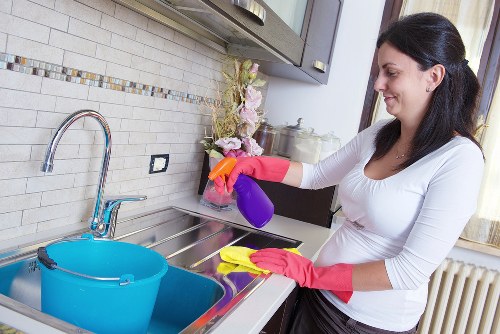
Many people first think of carpet stains, but a specialist service in Marylebone often covers much more. Soft furnishings and fabric surfaces can all collect spills, marks, and general wear, especially in homes with children, pets, or heavy visitor traffic. In central London properties where space is valuable, cleaning and restoring existing items is often more practical than replacing them.
Common items include:
- Wall-to-wall carpets in flats, maisonettes, and communal areas
- Loose rugs, including decorative and natural-fibre pieces
- Sofas, armchairs, ottomans, and footstools
- Dining chairs, benches, and banquette seating
- Mattresses and bed frames where suitable treatment is possible
- Curtains, blinds, and selected fabric furnishings
- Office seating, waiting room furniture, and commercial fabric surfaces
Some items require particularly careful handling. Wool and delicate blends can react differently to moisture and chemicals. Velvet may need a gentle, specialist approach to protect texture and appearance. Older rugs may have sensitive dyes or construction methods that call for minimal intervention. That is why a local stain removal provider should never assume that the same technique works for every item. Material awareness is key.
For landlords, letting agents, property managers, and business owners in Marylebone, this versatility is valuable. A single service can often help with isolated stains, multiple areas in one room, or a full set of soft furnishings that need attention before new occupants arrive.
Why a local Marylebone team is useful

Choosing a local company for stain removal in Marylebone has several practical advantages. A nearby team can often respond more quickly, plan around central London access issues, and understand the expectations of local households and businesses. That is especially useful where a stain needs immediate attention before a viewing, meeting, dinner, or rental changeover.
Local service is also helpful because Marylebone properties are often unique. Many buildings have older interiors, shared entrances, narrow stairwells, or limited lift access. Some have delicate communal areas that require extra care when equipment is moved in and out. A team used to working in the area is more likely to arrive prepared for these conditions and keep disruption to a minimum.
There is a difference between a quick cosmetic fix and a properly considered treatment. Local customers often want someone who can explain what may happen to the stain, what is realistic to expect, and whether the mark is likely to lighten, disappear, or need several stages of treatment. Clear advice builds trust, and that matters when the item affected is part of a well-kept home or customer-facing business.
Stain removal for different customer types
Residential, commercial, and rental properties
Stain problems are not limited to one type of customer. In Marylebone, the service is often booked by homeowners, tenants, landlords, managing agents, office managers, and business operators who need a reliable result without unnecessary disruption. Each group tends to have different priorities, and the service should reflect that.
Residential customers usually want a neat, careful finish that protects furniture and keeps the home comfortable. That may mean treating a patch on a living room carpet, a stain on a dining chair after entertaining, or marks around a sofa where daily use has gradually caused discolouration. Families often want a solution that is safe for their household routine and practical around children or pets.
Commercial customers often focus on appearance, hygiene, and minimising downtime. Offices, clinics, showrooms, salons, and hospitality spaces in or near Marylebone may need stain treatment for carpeted meeting rooms, lobby seating, waiting areas, or customer-facing spaces. In these settings, the service is often about maintaining a professional look and keeping the environment presentable.
Rental and managed properties may need a service that is efficient and well documented. Landlords and agents often look for quick turnaround before new occupancy, but they also want the work to be appropriate for the condition of the item. A sensible treatment can help extend the life of carpets and furnishings while reducing the need for replacement.
What is included in the service
From initial inspection to careful finishing
A good stain removal service should feel thorough, not rushed. The objective is not just to make a mark less visible for the moment, but to treat the stain in a way that suits the surface and supports a cleaner overall result. While every job is different, customers can usually expect attention to the following areas:
- Assessment of the stain type and surface condition
- Advice on the safest treatment approach
- Targeted stain treatment rather than blanket cleaning where possible
- Careful removal of residues and cleaning agents
- Attention to edges and blending around the treated area
- Practical drying advice after the visit
In some cases, the service may also involve stain pre-treatment as part of a larger carpet or upholstery clean. In other cases, the stain is the main issue and the approach is highly focused. For customers in Marylebone, flexibility is often important because the property use, furnishing style, and urgency can vary widely from one address to another.
If you are planning a booking, it is helpful to describe the stain as clearly as possible. Mentioning what caused it, when it happened, what the item is made of if you know, and whether any cleaning products have already been used can help the team prepare the right approach. Better information usually leads to better results.
Preparation checklist before your appointment
Simple steps that help the visit run smoothly
There is usually not much that customers need to do before a stain treatment visit, but a little preparation can make the appointment more efficient. In busy Marylebone homes and workplaces, clearing the area and sharing a few details in advance can help the work start promptly and avoid delays.
Before the visit, consider the following checklist:
- Move small personal items away from the stained area if possible
- Make sure the team can reach the room or furniture safely
- Note what caused the stain, if known
- Tell the provider if any DIY cleaning has already been tried
- Point out nearby fragile items, cables, or obstacles
- Arrange access to parking, loading, or building entry if needed
If the stain is on a carpet or upholstered item that is used every day, it can help to plan when the area can be left undisturbed for drying. For businesses, this may mean scheduling the work before opening, after closing, or during a quieter period. For homes, it may be useful to choose a time when the room will not need immediate use.
Helpful tip
Do not aggressively scrub a fresh stain. Blotting gently with a clean cloth is usually safer than rubbing, which can push the mark deeper into the fibres or enlarge it. If you are unsure, it is better to leave the area alone until a specialist can assess it.
Pricing factors to consider
What can affect the cost of stain removal in Marylebone
Customers often want to know what determines the price of stain treatment. Exact costs vary, and it is best to request a quote based on the specific job. Several factors typically influence the estimate, including the type of stain, the surface affected, the size of the area, the urgency of the booking, and whether the stain has already been treated with unsuitable products.
The following points may affect pricing:
- Stain complexity — some marks are simple surface spills, while others are older, set-in, or chemically altered
- Material type — delicate fibres or specialty fabrics may require more time and care
- Size and number of areas — one isolated mark is different from several stained patches
- Access conditions — stairs, parking, and loading restrictions can affect planning
- Urgency — same-day or short-notice work may require different scheduling
- Whether follow-up treatment is needed — some stains need more than one pass
Being clear about the stain and the item involved helps reduce surprises. If you are in a Marylebone flat with limited access or in a commercial property with a strict timetable, mention that early so the service can be arranged in a practical way. A transparent quote should reflect the work required rather than offering a generic answer that may not suit the actual problem.
Nearby areas and local coverage
Stain removal services in Marylebone often extend beyond the immediate neighbourhood. This is useful for customers who live or work nearby and want one provider for multiple addresses or regular visits. Because local properties and commercial spaces can have similar access requirements, it makes sense to work with a team that already understands the central London environment.
Areas commonly covered include:
- Baker Street
- Regent’s Park
- Fitzrovia
- Paddington
- Mayfair
- Marble Arch
- West End locations nearby
This wider coverage is helpful for households, letting teams, and businesses that may need the same standard of work across several nearby premises. It also supports more flexible scheduling, which is valuable when a customer needs stain removal before guests arrive, after an event, or between occupancy periods.
Frequently asked questions
Common customer questions about stain removal
Can every stain be removed completely?
Not always. Some stains are straightforward to lift, while others may have set deeply into the material, altered the fibre colour, or been affected by previous cleaning attempts. A specialist service aims to reduce the stain as much as safely possible and improve the overall appearance.
Is stain removal safe for delicate upholstery?
It can be, provided the correct method is used. Delicate fabrics need careful testing and controlled treatment. The safest approach depends on the material, construction, and stain type, which is why assessment matters before any product is applied.
What should I do straight after a spill?
Blot gently with a clean white cloth if appropriate, avoid rubbing, and do not add random cleaners or harsh chemicals. If the stain is on a valuable rug, sofa, or specialist fabric, it is often best to leave it alone until it can be assessed properly.
Can you help with old stains?
Yes, older stains are often worth treating. Even if the mark has been there for some time, it may still lighten significantly. The outcome depends on the type of stain, the surface, and how much previous wear the item has seen.
Do I need to move furniture first?
Only lightweight items usually need moving, and only if it is safe and practical to do so. For heavier furniture or built-in fittings, the provider can advise what is necessary before the appointment. If access is tight, mention that when arranging the service.
How long will the area take to dry?
Drying times vary according to the material, the treatment used, ventilation, and the amount of moisture involved. You should be given practical aftercare advice so you know when the area can be used again.
Is this service suitable for offices and commercial premises?
Yes. Offices, reception areas, hospitality venues, clinics, and retail spaces often benefit from professional stain treatment because appearance and hygiene are both important in customer-facing environments.
Why choose a professional service instead of DIY methods
Protecting the surface while improving the result
DIY stain removal can be tempting, especially when the mark is fresh and visible. Some simple spills can be improved with careful blotting or mild treatment, but many stains become worse when treated without proper knowledge. Overuse of water, heat, soap, or strong cleaners can leave rings, spread dye, or damage the surface finish.
Professional stain removal in Marylebone is useful because it balances effectiveness with caution. A trained approach can identify when the stain needs targeted solvent action, when it needs controlled extraction, and when it should be left alone to avoid harming the fabric. This is particularly important on items with sentimental value, expensive upholstery, or a limited lifespan.
There is also the reassurance of having the job handled by someone who does this work regularly. Instead of guessing, the process is based on experience with real materials and real stains. For customers who need a dependable outcome, that expertise matters.
Booking your stain removal appointment
Ready to restore the look of your carpets or upholstery?
If you need stain removal in Marylebone, the best next step is to request a quote and share the details of the mark as early as possible. Mention the item affected, the likely cause if known, the size of the stain, and any access considerations. That helps the service team assess the work properly and prepare for the visit.
Whether you are a homeowner, tenant, landlord, office manager, or business owner, prompt action can make a real difference to the result. The sooner a stain is assessed, the more options there may be for safe and effective treatment. Even older marks are often worth checking, especially if the item is otherwise in good condition and you would rather restore it than replace it.
Contact us today, request a free quote, or book your service now if you want a practical, local solution for a stubborn mark, spill, or patch of discolouration. Professional stain treatment can help your Marylebone property look cleaner, feel fresher, and stay presentable with less stress.
From single spot treatments to multiple problem areas, a tailored approach is usually the most effective way to protect your furnishings and improve the room as a whole. If you want careful, local support from a team that understands central London properties, stain removal can be arranged around the needs of your home or business.