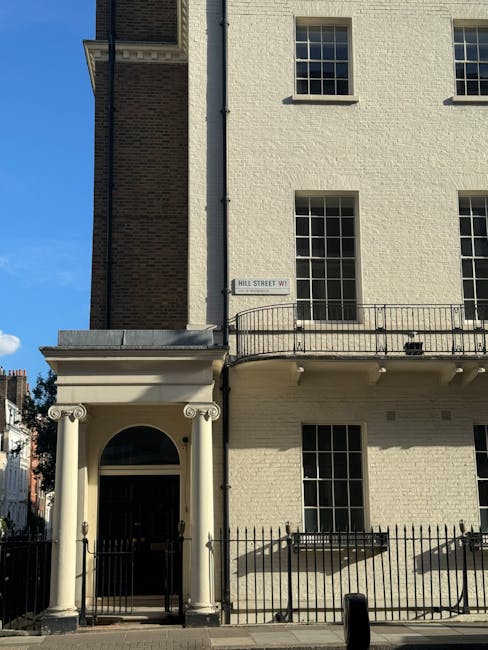
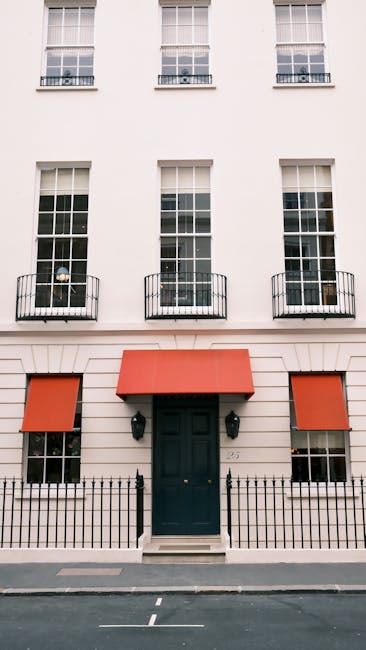
Gloucester Place W1G -- Cleaning Tips for Georgian Flats
Georgian flats have a charm that's hard to fake. Tall sash windows, original plasterwork, old timber floors, ornate cornices, and those lovely proportions that make a room feel calm even on a grey London morning. But they also ask for a bit more care than a modern flat. If you live on or near Gloucester Place W1G, or you manage a period property there, cleaning is not just about making things look tidy. It's about protecting fragile finishes, preventing long-term wear, and keeping a beautiful flat feeling comfortable rather than fussy.
This guide brings together practical, real-world Gloucester Place W1G -- Cleaning Tips for Georgian Flats so you can clean well without damaging delicate surfaces, wasting time, or using the wrong product on the wrong material. You'll find a step-by-step approach, common mistakes to avoid, a simple checklist, and a comparison of cleaning methods that actually makes sense for period homes. And yes, we'll keep it grounded. No drama, no overcomplication.
For readers who want broader support, it may also help to browse the wider services overview, look into deep cleaning in Marylebone, or explore spring cleaning options if your flat needs a seasonal reset. If you're comparing support for a one-off refresh, the one-off cleaning Marylebone page is also worth a look.
Table of Contents
- Why Gloucester Place W1G -- Cleaning Tips for Georgian Flats Matters
- How Gloucester Place W1G -- Cleaning Tips for Georgian Flats Works
- Key Benefits and Practical Advantages
- Who This Is For and When It Makes Sense
- Step-by-Step Guidance
- Expert Tips for Better Results
- Common Mistakes to Avoid
- Tools, Resources and Recommendations
- Law, Compliance, Standards, or Best Practice
- Options, Methods, or Comparison Table
- Case Study or Real-World Example
- Practical Checklist
- Conclusion
- Frequently Asked Questions
Why Gloucester Place W1G -- Cleaning Tips for Georgian Flats Matters
Georgian flats are not just older versions of newer homes. They're built differently, behave differently, and age differently. That matters a lot when you clean them. A quick spray-and-wipe routine that works perfectly in a new-build kitchen can leave streaks on aged glass, lift polish from original woodwork, or force moisture into gaps that were never designed to take it.
On Gloucester Place W1G, many flats combine historic character with busy modern living. You may be dealing with narrow hallways, high ceilings, decorative mouldings, older radiators, sash windows, or original floorboards that have already seen decades of use. Gentle, consistent care is the sensible route. Truth be told, these flats tend to look their best when they're cleaned regularly rather than aggressively.
There's also the simple matter of preservation. A Georgian flat can hold its value partly because of its appearance and authenticity. Dust around cornices, grime on paintwork, or careless use of harsh chemicals can make a room feel tired fast. A careful cleaning routine helps preserve both the look and the fabric of the property. That's especially relevant if you rent it out, are preparing to sell, or just want the place to feel lived-in but refined.
If you want to understand the neighbourhood context a little more, the blog posts on Marylebone's district character and living well in Marylebone are a useful companion read. They help frame why homes here deserve a more thoughtful approach than a standard clean.
How Gloucester Place W1G -- Cleaning Tips for Georgian Flats Works
The basic principle is simple: clean from the top down, use the least aggressive method that gets the job done, and pay attention to material sensitivity. In a Georgian flat, that means you don't start by scrubbing floors, then drag dust back down from shelves and coving. You work in a sequence that protects finishes and reduces repetition.
A good routine usually follows the same pattern. First, remove dry dust and loose debris. Then deal with surfaces that collect fingerprints, grease, or condensation. After that, tackle floors, fabrics, and any deeper build-up around radiators, window frames, or skirting boards. If you skip the dry stage, you often end up smearing dust into paintwork or making corners worse than before. Not ideal.
Cleaning Georgian flats also works best when you think in layers. Some tasks need weekly attention, like dusting visible surfaces and vacuuming rugs. Others are monthly or seasonal, like cleaning behind furniture, treating upholstery, or washing down high-touch areas that don't shout for attention until they're suddenly rather obvious. The trick is to stay ahead of the dust before it settles into the little grooves and details old properties are full of.
In practice, many residents find it helpful to split the flat into zones: reception rooms, bedrooms, kitchen, bathroom, hallway, windows, and decorative details. That keeps the job manageable and stops you feeling like the whole place needs a grand upheaval every time you pick up a cloth.
Key Benefits and Practical Advantages
A thoughtful cleaning routine for a Georgian flat does more than keep things presentable. It saves money, protects the property, and makes day-to-day living feel easier. Here are the main advantages that tend to matter most.
- Better preservation of original features: Cornices, sash windows, timber floors, and old paintwork last longer when handled gently.
- Cleaner air and less dust build-up: Period flats often collect dust in mouldings, around fireplaces, and near draughty windows.
- Less risk of damage: The right cloth, solution, and technique help avoid staining, swelling, or surface wear.
- Stronger first impressions: Useful if you host guests, manage a rental, or want the flat to feel bright and calm.
- More efficient cleaning overall: A structured routine means fewer wasted passes and less backtracking.
There's another benefit people sometimes overlook: confidence. Once you understand what each material needs, cleaning stops feeling like a guessing game. You know which areas can take a bit more attention and which ones need a softer touch. That calm, methodical approach makes a difference, especially in a property that has a few quirks. And Georgian flats always have a few quirks. Usually charming ones.
For deeper seasonal resets, the service pages for carpet cleaning in Marylebone and upholstery cleaning in Marylebone can be useful if rugs, sofas, and soft furnishings need professional attention rather than a quick home clean.
Who This Is For and When It Makes Sense
This guide is useful for a few different people. If you live in a Georgian flat on Gloucester Place W1G, it can help you keep on top of day-to-day upkeep without overworking delicate surfaces. If you're a landlord or letting agent, it can help you maintain presentation standards between tenancies without causing avoidable wear.
It also makes sense if you're preparing a flat for sale, having guests stay, or trying to bring an older property back to life after a busy winter. Period homes have a habit of showing neglect quickly. A dusty sill or dull skirting board can make an elegant room feel tired, even if the structure itself is in good shape. A proper clean changes the feel of the space more than people expect.
This is especially relevant for residents who have a mix of original and modern materials. Maybe the living room has old timber floors but the kitchen is fitted with newer units. Maybe the bathroom has been updated, but the hallway still has ageing joinery. That mix is common, and it means you need a cleaning routine that is flexible rather than one-size-fits-all.
If you're looking for a broader domestic support option, the pages for domestic cleaning Marylebone and house cleaning Marylebone may fit better than a purely specialist service, depending on the condition and size of the flat.
Step-by-Step Guidance
Here's a practical way to approach cleaning a Georgian flat without missing the details that matter. It's not fancy, but it works.
- Start with ventilation. Open windows if weather and security allow. Fresh air helps reduce the "stale flat" feeling, especially in older rooms that haven't been aired properly for a few days.
- Dust high points first. Use a soft microfibre duster or vacuum brush on cornices, picture rails, shelves, and tops of frames. Dust falls, so let gravity do some of the work.
- Work on window frames and sashes. Wipe with a slightly damp cloth, not a soaked one. Old timber and moisture are not best friends. Clean the tracks, catches, and sill edges carefully.
- Move to walls, skirting boards, and door details. Spot-clean marks rather than scrubbing broadly. If the paint is old or delicate, test first in a hidden patch.
- Deal with the kitchen. Degrease lightly, especially around handles, splashbacks, and extractor areas. Avoid over-wetting surfaces and don't let cleaner sit too long on finishes unless the label says it is safe to do so.
- Refresh bathrooms with restraint. Use non-abrasive products on tiles, taps, and basins. Check sealant lines and corners for mildew. A light, consistent clean is usually better than an intense monthly attack.
- Vacuum thoroughly. Use attachments for edges, under radiators, and around chair legs. Georgian flats often have lots of hard-to-reach dust pockets.
- Clean floors according to material. Floorboards, stone, vinyl, and old parquet each need different treatment. Use as little moisture as possible on timber.
- Finish with fabrics and soft furnishings. Shake out rugs if safe, vacuum upholstery, and treat stains carefully. If the sofa or armchairs are getting tired, professional upholstery care can make a noticeable difference.
Small detail, but an important one: always let one area dry before moving on if you're using any water-based product. It stops accidental smudging and lets you see whether the surface actually needed more cleaning or just more patience. To be fair, patience saves a lot of unnecessary elbow grease.
Expert Tips for Better Results
After cleaning enough period properties, a pattern starts to emerge. The people who get the best results are usually not the ones with the fanciest products. They're the ones who respect the materials and keep the routine simple.
1. Use softer tools than you think you need
Microfibre cloths, soft brushes, and vacuum attachments are often enough. Abrasive pads can dull paint, scratch glass, or leave tiny marks that only become visible once the light changes. Morning sunlight can be brutally honest, especially in a room with tall windows.
2. Test cleaning solutions before using them widely
Older finishes can react unpredictably. A product that is perfectly safe on one surface may strip sheen from another. Test in a small, hidden area. If there's any doubt, go milder.
3. Pay attention to the edges
Dust loves edges. Skirting tops, the back of radiators, the corners of sash windows, and the tops of door architraves tend to collect grime slowly and silently. Once these areas are clean, a flat can feel fresher almost immediately.
4. Clean little and often
Georgian flats are easier to keep in good shape with regular upkeep. Waiting until every surface is visibly dirty usually means a heavier clean, more friction, and more chance of damage. Regular light cleaning is kinder to the building and kinder to you.
5. Use professional help where it saves time or risk
Some jobs are simply better left to specialists, particularly when you're dealing with embedded carpet soil, fragile upholstery, or a deep seasonal refresh. If you need a more intensive reset, a spring clean service or deep cleaning support can reduce the strain on older finishes while giving you a proper result.
And one honest note: if a feature looks like it might be original, treat it as if it matters. Because it probably does.
Common Mistakes to Avoid
Most cleaning damage in Georgian flats doesn't come from dramatic mistakes. It comes from small, repeated ones. A few examples crop up all the time.
- Using too much water: This is the classic one. Timber, old plaster, and some paint finishes can all suffer from excess moisture.
- Choosing harsh chemicals too quickly: Bleach and strong solvents can be too aggressive for delicate or historic surfaces.
- Scrubbing decorative details: Cornices, mouldings, and panel edges are easy to wear down if you chase every mark with force.
- Ignoring dust until it builds up: Once dust settles into grooves and corners, removing it takes longer and often requires a more careful method.
- Forgetting ventilation: Older flats can hold odours and moisture. Fresh air helps more than people realise.
- Mixing too many products: This is both messy and risky. Keep it simple.
Another subtle mistake is cleaning only the obvious surfaces. A Georgian flat may look fine at first glance, but the spaces around handles, hinges, windows, and skirting boards are what make the difference between "clean enough" and genuinely well kept. It's a bit like polishing shoes and forgetting the edges; the result never quite lands.
Tools, Resources and Recommendations
You do not need a trolley full of gear. In fact, that can get in the way. For most Georgian flats, a sensible kit is better than an impressive one.
Useful tools
- Soft microfibre cloths for dusting and wiping
- A vacuum with brush and crevice attachments
- A soft detailing brush for mouldings and window tracks
- A mop suitable for the floor type, preferably one that controls moisture well
- Non-abrasive, pH-appropriate cleaning products for general use
- Spray bottles for diluted solutions where suitable
- Lint-free cloths for glass and mirrors
Useful resources and support pages
If your flat needs a broader clean rather than just a maintenance tidy, the request a quote page is the quickest next step. You can also review pricing and quotes if you're comparing options and want a clearer idea of what to expect before booking. For service background, the about us page is useful if you like to know who you're dealing with first.
If a flat is used for business purposes, there's also an office cleaning Marylebone page that may be more relevant for mixed-use properties or professional rooms in converted buildings.
For broader browsing, you can also check the blog archive for more local guidance, or the main blog section for related advice. A few readers also like the local-area context in property investment in Marylebone, since maintenance standards often affect long-term value.
Law, Compliance, Standards, or Best Practice
For private homeowners and tenants, there usually isn't a special legal cleaning rule just because a property is Georgian. Still, best practice matters. If the building has listed elements, a conservation-friendly approach is sensible, and any work beyond routine cleaning should be checked carefully. For many residents, the real issue is not law but preservation: cleaning methods should avoid unnecessary wear, staining, or moisture damage.
If you are a landlord or managing a rented flat, keeping the property in a clean and habitable condition is part of normal property management expectations in the UK. That does not mean every scratch must vanish, but it does mean hygiene, presentation, and maintenance should be taken seriously. If you're handing over a flat at the end of a tenancy, a service like end of tenancy cleaning Marylebone can be a practical choice, especially where original features and carpets need careful handling.
For service standards, it's wise to check a provider's health and safety policy and insurance and safety information. That's not overcautious. It's sensible. Older flats can present awkward access, fragile finishes, or heavy furnishings, and you want to know the work is being done carefully.
For peace of mind on site practices, you may also want to review the terms and conditions and privacy policy. Small detail, yes, but it helps build trust.
Options, Methods, or Comparison Table
Not every cleaning approach suits a Georgian flat. A quick comparison helps decide what makes sense for your time, budget, and the condition of the property.
| Method | Best For | Pros | Watch Outs |
|---|---|---|---|
| Routine home cleaning | Weekly upkeep, light dust, general tidiness | Affordable, flexible, good for maintenance | Can miss hidden build-up if rushed |
| Deep cleaning | Seasonal reset, post-renovation residue, long gaps between cleans | More thorough, covers edges and neglected areas | Takes longer and may require more planning |
| Spring cleaning package | Whole-flat refresh after winter or before hosting | Brings the place back to life, good morale boost | Not always enough for heavy soil or specialist fabrics |
| Specialist carpet or upholstery cleaning | Rugs, sofas, and fabric chairs with visible wear | Targets fibres safely when done properly | Needs correct method for delicate or antique items |
In many Georgian flats, the best answer is a mix. Regular domestic cleaning keeps things under control, while occasional specialist work restores the soft furnishings and carpets that naturally take more abuse. There's no prize for doing everything yourself if the result is only halfway decent.
Case Study or Real-World Example
Imagine a two-bedroom Georgian flat near Gloucester Place with original sash windows, a narrow hallway, a living room with timber floors, and a compact kitchen that sees daily cooking. The flat looks respectable at first glance, but the corners tell the truth: dust around the skirting, a dull sheen on the window frames, light grease near the hob, and a sofa that has absorbed a year of living.
The owner starts with a top-down approach. Cornices and picture rails are dusted first, then the windows and frames are wiped with a barely damp cloth. The kitchen is cleaned with a mild degreaser, but only on the working surfaces and handles. The timber floor is vacuumed with a soft brush, then cleaned with minimal moisture. Upholstery is vacuumed carefully, and a stain on one armchair is left alone rather than attacked with the wrong product. Wise decision, that.
Afterwards, the flat doesn't just look cleaner. It feels lighter. The windows let in more afternoon brightness, the hallway looks wider, and the rooms carry less of that old-dust smell that can creep into period properties. Nothing was overdone. No harsh chemicals, no heavy scrubbing, no unnecessary risk. Just careful, considered cleaning. That's usually the winning formula in these homes.
And if the property needs more than a refresh, a local service such as the main services hub can help you choose between regular upkeep, one-off visits, or specialist treatment.
Practical Checklist
Use this checklist before, during, or after cleaning a Georgian flat. It keeps things simple.
- Open windows if safe and practical
- Dust high surfaces before anything else
- Use soft cloths and non-abrasive tools
- Test any new product on a hidden area
- Keep moisture low on timber and paintwork
- Clean windowsills, tracks, and catches
- Wipe handles, switches, and other touchpoints
- Vacuum corners, edges, and behind furniture
- Treat upholstery and rugs carefully
- Let surfaces dry before putting items back
- Book specialist help for deep soil or delicate fabrics
Expert summary: In Georgian flats, good cleaning is less about force and more about judgement. The gentler route is often the smarter one, and regular maintenance usually beats occasional over-cleaning. If you keep that in mind, the flat stays brighter, calmer, and much easier to live in.
Get a free quote today and see how much you can save.
Conclusion
Cleaning a Georgian flat on Gloucester Place W1G is a little different from cleaning a modern apartment, and that's exactly why it deserves a more thoughtful approach. The building's age, materials, and decorative features all respond better to patience, soft tools, and a steady routine than to heavy-handed methods. Once you understand what the flat needs, the work becomes far easier and the results last longer.
Whether you're keeping on top of weekly dust, preparing for guests, or planning a deeper seasonal refresh, the goal is the same: protect the character of the property while making it pleasant to live in every day. That balance is not hard to find, honestly. It just takes a bit of care.
If you'd like help taking the next step, explore the relevant service pages, compare the options, and choose the approach that fits the condition of your flat. A well-kept Georgian home has a quiet kind of beauty, and with the right cleaning habits, it stays that way for years.
Sometimes the best results are the ones that feel effortless the moment you walk through the door.
Frequently Asked Questions
What is the best way to clean a Georgian flat without damaging it?
Use a top-down routine, soft cloths, minimal moisture, and gentle products. Focus on preservation rather than heavy scrubbing. If in doubt, test first in a hidden spot.
How often should a Georgian flat on Gloucester Place be cleaned?
Weekly light cleaning is usually enough for maintenance, with deeper cleaning every few months depending on traffic, dust levels, and whether the flat is occupied full-time.
Can I use steam cleaning on original wooden floors?
It's usually best to be cautious. Steam and excess moisture can be risky for older timber. Always check the floor's condition and finish first, and use a method suited to the material.
Are harsh chemicals safe for period properties?
Not always. Strong products can damage old paint, wood, or decorative finishes. A milder cleaner is usually safer and often just as effective when used properly.
What areas get dirtiest in Georgian flats?
Corners, skirting boards, window tracks, radiators, and the tops of mouldings tend to collect dust quickly. Kitchens and bathrooms build up grime fastest because of daily use and moisture.
Should I hire a professional cleaner for a Georgian flat?
If the property has delicate finishes, heavy dust, carpets, or upholstery that needs extra care, professional cleaning can save time and reduce the risk of accidental damage.
Is deep cleaning better than regular cleaning?
They do different jobs. Regular cleaning keeps the flat manageable; deep cleaning resets areas that are harder to reach. In many homes, both are useful at different times.
How do I clean sash windows safely?
Use a lightly damp cloth, avoid soaking the frame, and clean the tracks, catches, and sill gently. If the paint or wood looks fragile, take an even softer approach.
What should landlords in Gloucester Place consider before a tenancy clean?
They should think about presentation, hygiene, and the condition of original features. It can be sensible to use a thorough professional service for carpets, upholstery, and delicate surfaces.
Can cleaning help preserve the value of a Georgian flat?
Yes, in a practical sense. Good cleaning helps maintain appearance, reduces wear, and prevents grime from settling into older materials. It won't replace repairs, but it supports long-term upkeep nicely.
What's the biggest mistake people make with Georgian flats?
The most common mistake is using too much water or too much force. Older materials usually respond better to gentle, regular care than to aggressive cleaning sessions.
Where can I find help if my flat needs more than a standard tidy?
You can review the service pages for deep cleaning, spring cleaning, carpet care, upholstery care, or request a quote directly. Starting with the right service usually saves time later, and a lot of hassle too.