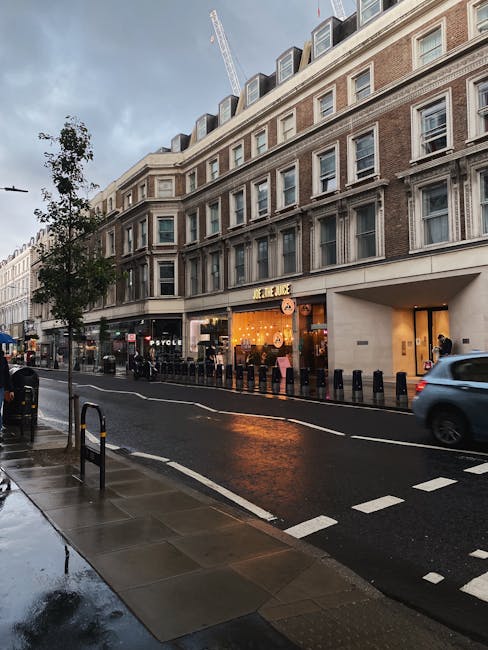
Protect Chiltern Street Boutique Carpets After Busy Days
Chiltern Street has a certain pace to it. By late afternoon, the boutiques have had foot traffic, deliveries, the odd spillage, and that slow build-up of grit that you do not always notice at first. Then the doors close, the lights soften, and the carpets tell the truth. If you want to protect Chiltern Street boutique carpets after busy days, the answer is not just "clean them later". It is a mix of quick resets, the right cleaning methods, and sensible maintenance that protects colour, pile, and finish without making the space feel overworked.
This guide breaks down what actually helps, what causes hidden damage, and how to keep a boutique carpet looking calm and expensive even after a hectic day. Whether you manage a fashion shop, a lifestyle store, a gallery-style showroom, or a small premium reception area, the basics are the same: reduce grit, deal with spots fast, and stop dirt from settling in deep. Sounds simple. In practice, it takes a bit of know-how.
If you want broader local support for ongoing upkeep, you may also find this useful: carpet cleaning in Marylebone, deep cleaning in Marylebone, and the wider services overview. For some businesses, a planned one-off cleaning visit is the bridge between day-to-day care and a proper reset.
Table of Contents
- Why Protect Chiltern Street Boutique Carpets After Busy Days Matters
- How Protect Chiltern Street Boutique Carpets After Busy Days Works
- Key Benefits and Practical Advantages
- Who This Is For and When It Makes Sense
- Step-by-Step Guidance
- Expert Tips for Better Results
- Common Mistakes to Avoid
- Tools, Resources and Recommendations
- Law, Compliance, Standards, or Best Practice
- Options, Methods, or Comparison Table
- Case Study or Real-World Example
- Practical Checklist
- Conclusion
- Frequently Asked Questions
Why Protect Chiltern Street Boutique Carpets After Busy Days Matters
Boutique carpets are not just floor coverings. They are part of the brand. In a polished retail setting, the carpet can make the room feel warm, curated, and expensive; if it starts to look dull or flattened, the whole space changes. That is especially true on a street like Chiltern Street, where presentation matters and customers notice details even if they never say so out loud.
Busy days create a very specific kind of wear. It is not one big disaster. It is the steady accumulation of dry soil, shoe oils, rainwater, dust from outside, packaging debris, and the occasional coffee drop or cosmetics mark. By the end of the day, that combination acts a bit like sandpaper. You can vacuum it away, yes, but if you leave it sitting too long it begins to settle into the pile and abrade the fibres.
That is why after-hours protection matters. The goal is not perfection. It is prevention. A few disciplined actions after the last customer leaves can extend the life of the carpet, reduce cleaning costs, and keep colours looking crisp. To be fair, the carpet often needs less heroic intervention than people think. It needs consistency more than drama.
There is also a practical business case. Well-kept carpets support a clean, calm customer experience, and they reduce the risk of complaints from staff or visitors about odours, staining, or slip concerns near wet spots. If your space also includes upholstered seating, the same maintenance mindset applies there too, which is why some businesses pair carpet care with upholstery cleaning in Marylebone.
How Protect Chiltern Street Boutique Carpets After Busy Days Works
The process is simpler than it sounds. After a busy service period, you are trying to remove what causes long-term damage before it gets time to bond with the fibres. That means handling the problem in layers:
- Surface soil removal - dust, grit, loose fibres, and debris.
- Spot control - fresh marks, wet spills, and sticky residue.
- Fibre recovery - lifting flattened pile and restoring appearance.
- Deep cleaning planning - scheduled professional intervention before build-up becomes visible.
In a boutique setting, the carpet is often wool-rich, patterned, or textured. Those materials can look fantastic, but they also show traffic in different ways. A dark velvet-style pile may reveal footprints; a lighter wool blend may hold onto fine soil; a loop pile may catch grit in the structure. So the method should fit the carpet, not the other way around.
The working principle is straightforward: stop contamination from sitting in the carpet for hours. If you can vacuum effectively, blot spills quickly, and use the right cleaning approach when needed, the carpet stays in much better shape. At a deeper level, it is also about controlling moisture. Too much water leaves wicking, rings, and long drying times. Too little attention leaves soil behind. It is a balancing act, and yes, occasionally annoying.
If the boutique is part of a wider commercial or lifestyle space, it can help to align carpet care with regular office cleaning in Marylebone or house cleaning in Marylebone style routines, especially where back-of-house traffic affects the retail floor.
Key Benefits and Practical Advantages
Good after-hours carpet protection is one of those things that quietly pays for itself. You do not always notice the benefit on day one, but you do notice the absence of problems later. Less wear. Fewer spots. Better smell. Better first impression. Simple enough, really.
- Longer carpet life - grit is one of the main causes of fibre wear, so removing it early helps preserve the pile.
- Better appearance during trading hours - carpets look fresher, brighter, and more intentional.
- Reduced risk of staining - fresh spills are easier to treat than set-in marks.
- Lower deep-clean frequency - regular care delays the point at which carpets need heavy intervention.
- Improved hygiene and odour control - especially useful in compact boutique interiors.
- Stronger brand presentation - clean floors support the feeling of quality customers expect.
There is also a staff benefit. A tidy, well-maintained floor makes the end-of-day close feel less like damage control and more like a proper reset. That matters more than many managers admit. A calm space is easier to reopen the next morning, and the team notices that.
For businesses that rotate between trading, events, and private appointments, planned cleaning can be useful as part of a seasonal refresh. You can see how that fits with spring cleaning in Marylebone or even a deeper maintenance cycle after a particularly busy period.
Who This Is For and When It Makes Sense
This approach is for any Chiltern Street business where the carpet contributes to atmosphere and customer experience. Think fashion boutiques, beauty retailers, jewel-like interiors, premium reception areas, small galleries, curated homeware shops, and mixed-use commercial premises with footfall that rises and falls through the day.
It makes particular sense if:
- you get steady foot traffic from morning to evening;
- customers often enter with wet shoes in winter;
- your carpet is light-coloured, patterned, or high-end;
- you host events, launches, or private shopping evenings;
- your team sometimes spills drinks, testers, or packaging materials;
- you want to avoid visible wear at the main entrance and till area.
It also matters if your carpet sits under furniture, product displays, or rails. Those zones trap soil in odd ways. The edges look fine, then suddenly the centre lane is flattened. Happens all the time. A customer never says, "I noticed the traffic pattern in your carpet", but they definitely feel it.
If your premises are part of a broader lifestyle or residential portfolio in the Marylebone area, local guides such as Marylebone: a local's guide to living well and a journey through the enchanting Marylebone district can also give useful context on the neighbourhood's standards and expectations.
Step-by-Step Guidance
Here is the practical version. Not fancy, but effective.
- Clear the floor first. Remove loose items, display fixtures that can be safely moved, and any debris around entrances. Small packaging scraps and grit are the hidden troublemakers.
- Vacuum slowly and deliberately. One quick pass is rarely enough. Use overlapping strokes, especially in entry points, till areas, and along skirting.
- Deal with fresh spots immediately. Blot, do not rub. If you scrub a fresh spill, you risk spreading it or pushing it deeper. A clean white cloth is better than a decorative tissue that disintegrates mid-job. We have all been there.
- Use the right spot solution for the fibre. Wool, wool blends, and synthetics do not all react the same way. When in doubt, keep the treatment mild and test in an inconspicuous area.
- Lift the pile where traffic has flattened it. Gentle brushing or careful pile recovery can make the carpet look more even after a long day.
- Check for moisture. If a section has been treated, make sure it can dry properly. Good airflow helps. A damp patch at closing time can become a problem by opening time.
- Log recurring issues. If the same area keeps getting marked, the solution may be layout or process-based, not cleaning-based. Maybe the entrance mat is too small. Maybe the queue forms in the same spot. Maybe the coffee table is in the wrong place. Small things add up.
- Schedule deeper maintenance. Regular after-hours care keeps the carpet presentable, but it should support a periodic professional clean. That is usually where the real long-term protection happens.
A useful rule of thumb: if a mark is fresh, act quickly; if a mark is recurring, fix the system around it. Both matter.
Expert Tips for Better Results
After years of looking at busy interiors, one pattern stands out: the best carpet care is mostly about preventing soil from entering in the first place. Sounds almost too obvious, but that is the point.
- Use entrance mats generously. A good mat setup can catch an impressive amount of dry soil before it reaches the carpet.
- Vacuum at the end of the day, not just in the morning. Evening vacuuming removes the day's grit before it has hours to settle.
- Keep a small spill kit nearby. Cloths, a mild approved cleaner, gloves, and a simple written procedure save time when something goes wrong.
- Avoid soaking the carpet. More water is not more cleaning. In premium interiors, too much moisture can create visible rings or lingering odour.
- Rotate furniture and display layouts where possible. Traffic wear often follows patterns. Changing the path a little can help spread load.
- Think in zones. The entrance, point-of-sale area, fitting room approach, and any seating nook may all need different attention levels.
One small but important note: if staff are using the same cloth for everything, stop that practice quickly. It is a tiny habit that causes a lot of cross-contamination. A dedicated cloth set makes life easier, cleaner, and less mysterious. No one wants a "why does this smell like last Tuesday?" situation.
For businesses that need a structured maintenance plan, a local provider page like pricing and quotes can be useful when comparing service levels before booking. If you want to ask directly, the quote request page is the sensible next step.
Common Mistakes to Avoid
Most carpet damage in boutique spaces is not caused by one dramatic event. It is caused by a handful of repeat mistakes that feel harmless at the time.
- Rubbing stains aggressively. This pushes the spill into the pile and can damage delicate fibres.
- Using too much cleaning product. Residue attracts soil, which means the area gets dirty again faster.
- Waiting until the next day. Fresh spills are much easier to manage than dried ones. Really much easier.
- Ignoring entry points. Most soil enters from outside, so the entrance deserves the most attention.
- Assuming all carpets can be treated the same way. Fibre type, weave, pile height, and dye stability all matter.
- Forgetting under-rack and under-seat areas. These zones often trap grime and affect overall freshness.
- Skipping periodic professional care. Daily maintenance is good, but it does not replace deeper cleaning.
A good habit is to treat the carpet as part of the customer journey. If the carpet in the entrance is already tired, the rest of the store has a harder job. It is a bit unfair, but that is how people read spaces.
Tools, Resources and Recommendations
You do not need a warehouse of equipment. A small, well-chosen kit is better than a cluttered cupboard full of random bottles.
| Tool or Resource | Best Use | Why It Helps |
|---|---|---|
| Commercial vacuum with good filtration | Daily soil removal | Removes grit before it works into the fibres |
| White microfibre cloths | Spot treatment | Blotting without dye transfer or lint |
| Mild carpet-safe spot cleaner | Fresh spill treatment | Helps lift marks without harsh residue |
| Entrance mats | Preventive protection | Catches dry soil and moisture at the door |
| Air movers or good ventilation | Drying treated areas | Reduces dampness and lingering odours |
| Professional deep clean plan | Periodic maintenance | Restores appearance and removes embedded soil |
If you are building a broader care plan for the premises, the site's about us and insurance and safety pages are worth a quick look. They help set expectations around service approach and responsible work practices. For anyone comparing services across a larger property portfolio, the property investment guide can also be surprisingly relevant, because upkeep is part of asset protection.
Law, Compliance, Standards, or Best Practice
For most boutique carpet care, the main focus is best practice rather than complex regulation. Still, there are sensible standards to keep in mind in the UK context, especially in commercial spaces.
First, cleaning products should be used according to the manufacturer's guidance, and staff should follow any internal health and safety procedures. If a product is used in-house, it is wise to keep it labelled and stored properly. Secondly, areas that become damp during cleaning should be managed carefully to reduce slip risk. That sounds obvious, but busy shops can get a bit chaotic at close, and obvious things are the first to slip through the net.
For business operators, good practice also means documenting recurring risks, especially where cleaning is part of wider workplace safety. If a boutique has steps, narrow aisles, cables, or fragile furnishings, the cleaning routine should not create new hazards. A simple, practical approach usually works best.
For service providers and clients who want confidence around working standards, it may help to review the site's health and safety policy, terms and conditions, and privacy policy. If you are dealing with customer data or booking details, those policies matter more than people sometimes realise.
One more practical note: if you are hiring a professional cleaner, make sure they understand your carpet fibre, access times, and any restrictions on water or chemicals. That is not red tape. It is just common sense dressed properly.
Options, Methods, or Comparison Table
Different maintenance methods suit different boutique environments. Here is a simple comparison to help you choose the right level of protection after busy trading days.
| Method | Best For | Strengths | Limitations |
|---|---|---|---|
| Daily vacuuming | All boutique carpets | Removes loose soil quickly, low disruption | Does not remove embedded dirt or set stains |
| Spot cleaning | Fresh spills and marks | Fast, targeted, cost-effective | Risk of residue or spread if done badly |
| Low-moisture maintenance cleaning | Busy retail spaces | Quicker drying, useful between deep cleans | May not fully restore heavily soiled areas |
| Professional deep cleaning | High-end carpets, seasonal resets | Removes embedded soil and refreshes appearance | Needs planning and drying time |
| Preventive matting and layout changes | Entrances and high-traffic zones | Reduces soil ingress before it starts | Not enough on its own |
In many cases, the best answer is a combination. Daily vacuuming plus quick spot treatment plus periodic deep cleaning is the normal sweet spot. Not glamorous, but effective. If your carpet is already showing heavy traffic patterns, a local Baker Street W1U carpet care guide for period homes can offer useful ideas for protecting older, character-rich interiors too.
Case Study or Real-World Example
Imagine a small boutique near Chiltern Street with a pale wool-blend carpet in the entrance and display area. On a normal day, the team vacuums in the morning and gives the floor a quick check before close. But on busy days, there are extra deliveries, more customers carrying drinks, and heavier footfall from the street after rain. By 6 p.m., the carpet still looks decent from a distance, yet the entry zone has a greyed edge and the pile is slightly flat under the queue area.
The team changes the routine. They place a larger mat by the door, add a second vacuum pass at close, keep a small spill kit behind the counter, and move the queue line away from the most vulnerable section. Nothing dramatic. Just careful adjustments.
After a few weeks, the carpet holds its colour better, footprints show less, and the staff stop wasting time on repeated little touch-ups. A couple of problem marks still happen, because life is life, but they are now manageable. The carpet looks calmer. That is the best way to put it.
In a retail setting, that sort of improvement matters because customers read the room almost instantly. They may not think "excellent fibre maintenance", but they do register freshness, order, and ease. And that usually translates into trust.
Practical Checklist
Use this checklist after busy trading days to keep boutique carpets in good shape.
- Remove visible debris from the floor and entrance area
- Vacuum all traffic lanes slowly, including edges and corners
- Blot any fresh spills immediately with a clean cloth
- Check for sticky residue near the till or seating areas
- Inspect the entrance mat and shake out trapped grit
- Look for flattened pile in the main walkway
- Allow treated spots to dry fully before the next opening
- Record recurring stains, wear marks, or odour issues
- Review whether the layout is pushing traffic into one zone
- Book periodic professional cleaning before soil becomes obvious
Quick takeaway: the best carpet protection is not one big clean after a disaster. It is a steady set of small habits that stop dirt from becoming part of the carpet in the first place. That is really the whole game.
Conclusion
To protect Chiltern Street boutique carpets after busy days, think in terms of protection, not just cleaning. Remove grit early. Treat spills with care. Manage traffic patterns. Schedule deeper maintenance before the carpet starts looking tired. The shops that get this right do not necessarily spend more time on the floor; they just spend it more wisely.
The nice thing is that you do not need a complicated system. A few reliable habits, the right tools, and a sensible cleaning schedule go a long way. And if the carpet already needs more than a quick reset, that is fine too. It happens. Busy London spaces work hard, and their floors do the same.
For tailored help, explore the latest Marylebone cleaning articles or review the available services before making your next decision. If you would like to speak about your space directly, you can also go to the contact section and get the conversation started. Sometimes that first small step saves a lot of bother later.
Get a free quote today and see how much you can save.
And if you are planning a refresh soon, good on you. A cared-for carpet changes the whole feel of a room, quietly and in ways people notice without quite realising why.
Frequently Asked Questions
How do I protect boutique carpets after a busy trading day?
Start with slow, careful vacuuming, then deal with any fresh spills by blotting rather than rubbing. Check the entrance first, because that is where most grit arrives. After that, make sure the carpet can dry properly if any spot treatment was used.
What causes the most wear in boutique carpets?
Dry soil and grit are usually the biggest culprits. They act like fine abrasive particles under foot traffic. Moisture, food and drink spills, and repeated traffic in the same lane also contribute to visible wear over time.
Is vacuuming enough for high-end retail carpets?
Vacuuming is essential, but it is usually not enough on its own. It removes loose debris, not embedded dirt or deeper residue. For premium carpets, daily vacuuming should sit alongside spot care and periodic professional cleaning.
What is the safest way to remove a fresh stain?
Blot the stain gently with a clean white cloth and use a carpet-safe product if appropriate for the fibre. Avoid scrubbing, because that can spread the mark and damage the pile. If you are unsure about the fibre type, test first in a hidden area.
How often should boutique carpets be professionally cleaned?
That depends on footfall, carpet material, and how the space is used. Busy boutiques may need professional cleaning more often than quiet spaces. A sensible schedule is one that prevents visible build-up rather than waiting for the carpet to look obviously tired.
Do entrance mats really make a difference?
Yes, they do. Good mats catch dry soil and moisture before it reaches the carpet. They are one of the simplest and most cost-effective ways to reduce daily wear, especially in wet weather or on streets with constant footfall.
What carpet types are most common in boutique settings?
Wool and wool-blend carpets are common because they feel premium and look elegant. Textured synthetics and patterned carpets are also used where durability and stain resistance matter. Each type needs slightly different care, so fibre identification is useful.
Can too much cleaning damage a boutique carpet?
Yes. Over-wetting, harsh chemicals, and excessive scrubbing can all cause problems, including residue, colour change, or fibre distortion. The aim is controlled cleaning, not aggressive cleaning. More is not always better, which is a bit annoying, but true.
Should I move furniture or display stands before cleaning?
If it is safe and practical, yes. Furniture and stands often hide trapped dirt and create uneven wear patterns. Even small layout changes can help distribute foot traffic more evenly and make cleaning more effective.
What should I do if the carpet smells musty after cleaning?
Check whether moisture is lingering in the pile or under furniture. Improve ventilation and avoid placing items back too soon. Musty smells usually mean the carpet did not dry fully, so drying time matters as much as the cleaning itself.
Are professional carpet cleaners suitable for period-style or delicate interiors?
They can be, provided they understand the fibre, weave, and the needs of older interiors. For period properties and character-rich spaces, a careful approach is essential. It is worth choosing a service that is used to working with premium and delicate surfaces.
How do I know when spot cleaning is no longer enough?
If traffic lanes stay dull, marks keep returning in the same area, or the carpet looks flat even after vacuuming, it is probably time for deeper maintenance. Spot cleaning handles incidents, but it cannot restore embedded soil or long-term wear by itself.