Where to Dispose Old Carpets in Marylebone W1
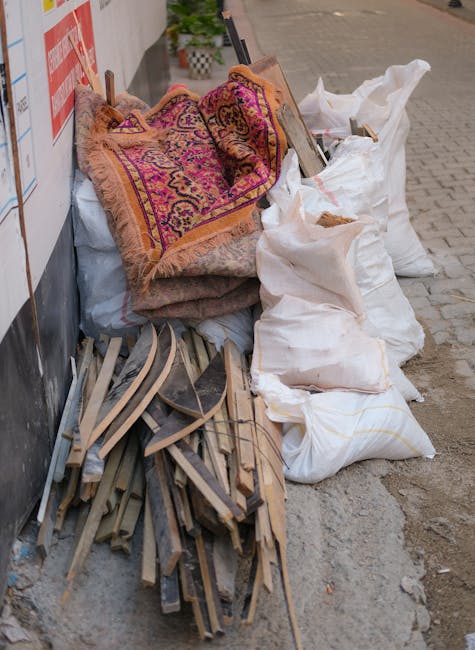
If you have an old carpet rolled up in the hallway, leaning awkwardly beside the front door, or taking up half your utility room, you are not alone. Figuring out where to dispose old carpets in Marylebone W1 is one of those jobs that sounds simple until you actually start lifting, folding, tying, and carrying. Then the questions appear: can it be reused, should it go as bulky waste, does it need special handling, and how do you do it without making a mess in a period flat with narrow stairs?
This guide walks you through the realistic options, the common mistakes, and the practical decisions that make carpet disposal easier in a busy central London setting. We will keep it straightforward, local, and useful. No fluff. Just the sort of advice that helps when you need the carpet gone, preferably sooner rather than later.
Why Where to Dispose Old Carpets in Marylebone W1 Matters
Old carpets are not just bulky. They can be awkward, dusty, heavy, and occasionally a bit grim if they have been in place for years. In Marylebone W1, that matters because homes and offices often sit in buildings with limited lift access, tight landings, and busy communal areas. One badly handled roll of carpet can scratch walls, block a stairwell, or create an unpleasant afternoon for neighbours and building staff. Not ideal.
There is also a practical side. Carpets are made from mixed materials, and once they are cut out of a room they need a sensible route next. If you rush the process, you can end up with wasted time, extra handling, or a failed collection. If you plan properly, you can often keep the job tidy, reduce stress, and sometimes even give part of the carpet a second life if it is still in decent condition.
For Marylebone residents, the topic also connects neatly with wider home care. A carpet that has reached the end of its life is often part of a bigger refresh, whether you are preparing for an end of tenancy clean in Marylebone, finishing a deep refresh, or replacing flooring after a burst pipe, stains, or damp. The disposal decision sits in the middle of that process, so it helps to think it through before the carpet comes up.
And, to be fair, nobody wants to drag an old hallway runner through Baker Street traffic if there was a smarter option from the start.
How Where to Dispose Old Carpets in Marylebone W1 Works
The basic process is usually simple: remove the carpet, separate it from underlay and fixings where possible, roll or fold it safely, and choose the most appropriate disposal route. In practice, the details matter. A lightweight bedroom carpet is very different from a thick wool stair runner or a large office installation.
Most people in Marylebone end up choosing one of four approaches:
- Re-use or donation if the carpet is still clean and in usable condition.
- Bulky waste collection where suitable for the amount and type of waste.
- Private removal for larger loads, awkward access, or same-day clearances.
- Specialist disposal through a cleaning or clearance job when the carpet has been removed as part of a wider property refresh.
In a compact W1 property, access often decides the best method. A carpet collection might be perfectly manageable if the pieces are pre-cut into smaller rolls. But if you are in a top-floor flat, or dealing with multiple rooms, it may be easier to arrange a broader clearance plan alongside a one-off clean or deep clean. That is where a service like deep cleaning in Marylebone can fit neatly into the picture, especially if the room needs attention after the old flooring is removed.
If the carpet is part of a larger cleaning project, the context matters too. A busy family home, a rental changeover, or a small office all produce different disposal needs. There is no one-size-fits-all answer, and that is fine. The right route is the one that fits the building, the timeline, and the condition of the carpet itself.
Key Benefits and Practical Advantages
Choosing the right disposal method is not just about clearing floor space. It has knock-on benefits that save time, reduce risk, and make the whole job feel more manageable.
- Cleaner property handover: useful for tenants, landlords, and agents working to a deadline.
- Less physical strain: old carpet rolls are heavier and clumsier than they look.
- Better building etiquette: quiet, tidy removal is kinder to neighbours and shared hallways.
- Lower chance of damage: no dragging dusty strips across polished stairs or walls.
- More efficient room resets: especially when replacing flooring or preparing for cleaning.
There is another benefit people sometimes overlook: decision clarity. Once you know where the carpet is going, you can work backwards and decide whether it needs to be cut into sections, whether underlay should be removed separately, and whether the room should be cleaned before new flooring goes in. That planning makes a surprisingly big difference. It sounds a bit dull, but it saves headaches later.
If the space is going straight back into use, say after redecorating or a tenancy change, disposal and cleaning should be treated as one workflow. A straightforward option is to combine it with one-off cleaning in Marylebone so the room is ready for the next stage without extra backtracking.
Who This Is For and When It Makes Sense
This guidance is useful for anyone in Marylebone W1 dealing with old, damaged, or unwanted carpet. But the reasons vary quite a bit.
- Tenants who need to leave a property tidy and on time.
- Landlords and letting agents managing a turnover or replacement between occupants.
- Homeowners changing decor, replacing worn flooring, or dealing with odour or damage.
- Office managers clearing a workspace or refreshing communal areas.
- Property investors preparing a flat for sale, letting, or refurbishment.
It also makes sense if the carpet has a specific problem. A mould-affected section, for example, may not be worth saving. Likewise, carpets with persistent pet odour, deep staining, or water damage often reach a point where removal is the sensible route. If the issue is not disposal but repair, you may want to look at mould and damp carpet repair advice for Marylebone flats before you decide to throw anything away.
Sometimes the question is not whether the carpet can be disposed of. It is whether it should be cleaned first, stripped out first, or replaced altogether. That's the real decision point.
Step-by-Step Guidance
If you want a clear, low-stress way to handle old carpet disposal in Marylebone, use this sequence. It keeps things tidy and avoids the common "we'll sort it later" trap that never actually sorts itself.
- Inspect the carpet carefully. Decide whether it is reusable, recyclable, or simply waste. If it is clean, intact, and not heavily worn, it may still be useful elsewhere.
- Remove furniture and loose items first. Sounds obvious, but plenty of jobs start with people trying to lift a carpet around a bookcase. Not the best plan.
- Lift the carpet in manageable sections. For larger rooms, cut it into strips only if safe and appropriate to do so. Smaller pieces are easier to carry down stairs and through shared access.
- Separate underlay, gripper rods, and debris. These are often handled differently from the carpet itself.
- Roll, fold, and secure the pieces. Use tape or cord if needed so the load does not unravel mid-journey.
- Keep hallways and lifts clean. A quick vacuum of dust and fibres helps, especially in communal buildings.
- Choose the disposal route. Donation, collection, or private removal are the main routes, depending on condition and volume.
- Check access and timing. Book collection at a time that works for the building and avoids peak foot traffic.
When carpets are being removed as part of a full property reset, it can help to pair the work with a more general service plan. A landlord, for instance, might arrange carpet disposal before end of tenancy cleaning in Marylebone, while a homeowner might schedule it before a broader spring refresh. In that sort of sequence, the room ends up looking deliberate, not pieced together.
Quick practical note: if the carpet has been in place for years, expect dust, old adhesive, and bits of underlay. Wear gloves and a mask if needed. The dusty smell when you first lift a long-sealed edge? That is common, not a sign you have done something wrong.
Expert Tips for Better Results
Here is where small details make a big difference. In our experience, the best carpet disposal jobs are not necessarily the fastest ones. They are the ones that are planned just enough to avoid mess, waste, and second trips up and down the stairs.
- Check the carpet backing before cutting. Some backings are tougher than they look, and blunt tools make a rough job even rougher.
- Keep recycled potential in mind. A clean offcut can sometimes be repurposed for a utility area, storage space, or matting.
- Photograph the carpet before disposal if it matters for records. This can be useful for rentals, insurance discussions, or handover documentation.
- Plan the route out of the property first. It is a simple trick, but it saves the awkward moment when a roll will not turn the corner.
- Work room by room. Do not strip the whole property at once unless the disposal is already arranged.
One small thing that people forget: if you are replacing carpet in a furnished property, protect the path out with dust sheets or disposable coverings. It is a tiny bit of extra work now, but it stops you cleaning footprints off the landing later. Nobody enjoys that little surprise.
If the job is tied to a larger clean-up, especially after events or heavy use, you may also find it useful to read about protecting carpets after busy days in Marylebone. Even though that topic is more about care than disposal, it helps you decide whether a carpet is really at end-of-life or simply overdue for proper attention.
Common Mistakes to Avoid
Old carpet disposal is one of those jobs where the obvious mistake is also the most common one: waiting until the last minute. Then everything becomes heavier, messier, and somehow more annoying than it should be.
- Leaving carpet removal until moving day. That usually creates pressure and can delay the final handover.
- Not separating materials. Carpet, underlay, fixings, and dust are not all the same thing.
- Assuming every carpet should be binned. Some are reusable or better suited to specialist handling.
- Forgetting access restrictions. Building rules, lift use, and collection times matter in shared properties.
- Dragging rolled carpet through clean spaces. It is messy and can mark the floor. A bit of lifting beats a lot of cleaning.
- Ignoring damp or mould. If the carpet has been contaminated, disposal should be handled carefully and promptly.
There is also a subtle mistake: replacing a carpet without dealing with the underlying room problem. If the old flooring came up because of damp, staining, or a leak, check the cause before the new carpet goes in. Otherwise, you may be back here sooner than you'd like. Truth be told, that happens more often than people care to admit.
Tools, Resources and Recommendations
You do not need a van full of specialist kit to dispose of an old carpet, but a few basic tools make the job cleaner and easier.
| Item | Why it helps | Best use |
|---|---|---|
| Heavy-duty gloves | Protects hands from dust, staples, and rough backing | Removal and carrying |
| Dust mask | Useful when lifting old, dusty, or mould-affected carpet | Older properties and long-installed carpets |
| Utility knife | Helps cut carpet into manageable strips | Large rooms and stair runners |
| Strong tape or cord | Keeps rolled carpet secure | Transport and collection prep |
| Dust sheets | Protects hallways and adjoining rooms | Shared buildings and furnished homes |
| Vacuum cleaner | Removes fibres, grit, and loose debris | After removal and before replacement |
If your carpet disposal is part of a wider property refresh, it can be useful to pair it with a service overview so you understand what else may need attention. For example, the services overview can help you think about the next step after the old flooring is gone, whether that is cleaning, maintenance, or a full reset.
For people who prefer a guided approach, browsing the Marylebone cleaning blog can be a helpful way to compare related topics like home care, deep cleans, and end-of-tenancy preparation. It is not about over-researching a simple task. It is about having the right context so you can make one good decision and move on.
Law, Compliance, Standards, or Best Practice
When disposing of old carpets in the UK, the key principle is simple: waste should be handled responsibly and not dumped illegally. In practice, that means using legitimate removal or collection routes, avoiding fly-tipping, and being careful about what goes into shared bins or communal areas. For renters, landlords, and managing agents, building rules may also matter, particularly around access, noise, and waste storage.
There is no need to turn this into a legal lecture, but a few best-practice points are worth keeping in mind:
- Do not leave carpet waste in hallways or outside doors longer than necessary.
- Check whether your building has waste handling rules. Flats and managed properties often do.
- Keep proof of disposal if the job is tied to a tenancy, sale, or insurance matter.
- Handle mouldy or contaminated carpet carefully. If it is heavily affected, treat it as a disposal and hygiene issue, not just a tidying job.
Good practice also means making sure the job is safe for the people doing it. If a carpet is large, heavy, wet, or badly contaminated, do not force it. That is where a professional eye helps, especially if the removal forms part of a larger cleaning or clearance workflow. You can read more about how a company approaches safe work practices through its health and safety policy and related service information.
If you are dealing with tenancy changeovers or property handover pressures, it is also sensible to check the terms you have agreed for cleaning, access, and completion dates. The boring paperwork bits matter more than people think. Annoying, yes. Important, absolutely.
Options, Methods, or Comparison Table
Different disposal routes suit different situations. Here is a simple comparison to help you decide what fits best.
| Method | Best for | Advantages | Things to watch |
|---|---|---|---|
| Re-use or donation | Clean, intact carpets still in good condition | Reduces waste and can help another household | Not suitable if the carpet is stained, worn, or damp |
| Bulky waste collection | Standard household disposal needs | Convenient and straightforward | May require preparation, timing, or size limits |
| Private removal service | Larger loads, awkward access, short deadlines | Flexible and practical for busy homes | Can cost more than a basic collection |
| Bundled with cleaning or clearance | Tenancy changes, renovations, property resets | Efficient and reduces repeat visits | Needs good coordination |
For many Marylebone properties, the bundled option works best because it handles the practical reality of the space. If carpet removal is happening alongside a move-out clean, spring refresh, or office reset, it is easier to plan the room as a whole rather than tackle each part separately. That said, if the carpet is still decent, reuse should always be considered first. There is no point throwing away something that could still have use.
Case Study or Real-World Example
A typical Marylebone scenario goes something like this. A two-bedroom flat near Baker Street needs to be handed back at the end of a tenancy. The bedroom carpets are worn in the walkways, the hallway runner has a faint stale smell, and one room has had a minor water issue earlier in the year. The tenants do not want to leave a pile of carpet waste for the landlord to sort, and the agent wants the property ready for viewings quickly.
The sensible approach is not to rip everything out in a panic. First, the rooms are checked to see whether any carpet sections are worth salvaging. Then the old carpet is cut into manageable pieces, underlay is separated, and the hallway is kept clean during removal. The disposal is timed before the final clean, so dust and fibres do not resettle into the room. After that, a thorough finish-up is arranged through carpet cleaning in Marylebone or a wider domestic clean, depending on the property's condition.
The key lesson? The best disposal job is usually the one that looks almost invisible when it is done. The carpet is gone, the space is neat, and nobody had to improvise with a tangled roll on the stairs. Nice and uneventful. That is the goal.
Practical Checklist
Use this checklist before you dispose of an old carpet in Marylebone W1.
- Inspect the carpet for reuse, damage, stains, damp, or mould.
- Check whether underlay, fixings, or gripper rods need separate handling.
- Measure or estimate the size of each section before removal.
- Clear furniture and protect floors along the removal route.
- Wear gloves, and use a dust mask if the carpet is old or dusty.
- Roll or fold sections securely so they do not unravel in shared spaces.
- Confirm the collection or disposal route before the carpet comes up.
- Check building rules for waste, lifts, access, and timing.
- Vacuum and tidy the area after removal.
- Arrange cleaning or repair next if the room is being returned to use.
If you are dealing with a broader spring refresh rather than a one-off removal, it can be useful to align the disposal with spring cleaning in Marylebone. That way the room gets the reset it actually needs, not just a quick clear-out.
Get a free quote today and see how much you can save.
Conclusion
Knowing where to dispose old carpets in Marylebone W1 is really about making a sensible plan before the carpet comes out. Once you know whether it can be reused, collected, removed privately, or bundled into a wider clean-up, the job becomes much easier. In a local area like Marylebone, where access, timing, and shared spaces can complicate even simple tasks, a little planning goes a long way.
The best approach is usually the one that keeps the property tidy, protects the building, and fits the real condition of the carpet. If the flooring is still usable, think about reuse. If it is damaged, damp, or beyond saving, choose a disposal route that is safe and efficient. And if the carpet removal is part of a broader home refresh, coordinate it with cleaning so you are not doing the same job twice.
Small jobs handled well have a funny way of making a whole property feel lighter. That is especially true when the old carpet is finally out of the way and the room can breathe again.
Frequently Asked Questions
What is the easiest way to dispose of an old carpet in Marylebone W1?
The easiest route is usually the one that matches the carpet's condition and your access. For a small amount of carpet in decent shape, reuse or a standard collection may be enough. For larger or awkward removals, a private service is often simpler.
Can I put old carpet in my normal household bin?
Usually, no. Carpet is bulky and awkward, and it does not belong in standard household waste. It is better to use a legitimate bulky waste or removal route that suits the size of the job.
Should I remove the underlay separately?
Yes, if possible. Underlay is often handled differently from the carpet itself, and separating materials can make disposal cleaner and more practical. It also helps you see whether the floor underneath needs attention.
Is it worth trying to reuse an old carpet?
If the carpet is clean, intact, and not affected by damp or heavy wear, reuse can make sense. But if it has strong odour, staining, or damage, disposal is usually the better option. Be honest with yourself here.
What should I do if the carpet has mould or damp?
Treat it carefully and do not keep it in the property any longer than necessary. Mould-affected carpet may need prompt removal, and the underlying moisture issue should be checked before any new flooring is laid.
Can old carpet be recycled?
Sometimes, depending on the material mix and the disposal route available. Because carpets can contain several different materials, recycling is not always straightforward. If recycling is not realistic, choose a proper disposal method instead of guessing.
How do I prepare carpet for collection?
Cut or fold it into manageable sections, roll it tightly, secure it with tape or cord, and keep the route out of the property clean. If the building has access rules, check those before collection day.
What if I live in a flat with no lift?
Then size and weight planning becomes even more important. Smaller rolls are easier to carry safely, and it may be worth arranging a removal method that avoids multiple trips up and down the stairs.
Do I need to worry about neighbours when removing carpet?
Yes, especially in Marylebone's shared buildings. Keep noise down where possible, protect communal spaces, and avoid leaving waste in hallways. A tidy, quick job is usually the neighbour-friendly job.
When should I dispose of carpet instead of cleaning it?
If the carpet is structurally worn, badly stained, repeatedly affected by damp, or beyond sensible repair, disposal is usually the right call. If it is simply dirty, a deep clean may be the better first step. A good rule: fix what can be saved, replace what cannot.
Can carpet disposal be combined with cleaning?
Absolutely, and in many Marylebone properties that is the smartest approach. Disposal first, cleaning second, and the room ends up ready for its next use without wasted effort. It's a neat sequence.
Who should I contact if I want help with the room after carpet removal?
If you need the room cleaned after the old flooring is gone, it makes sense to look at a relevant local cleaning service such as domestic cleaning in Marylebone or house cleaning in Marylebone, depending on the property type and the amount of work left behind.
How do I book help or ask for pricing?
It is best to use the site's dedicated quote and contact routes so you can explain the property type, access, and the condition of the carpet. If you are comparing options for a bigger clean-up or removal-related job, you can also review pricing and quotes for more context.
If you are ready to clear the space and move on, a sensible next step is to line up disposal, cleaning, and any follow-up work together. That way the old carpet becomes the end of one stage, not the start of another headache. And honestly, that is the nicest way to do it.